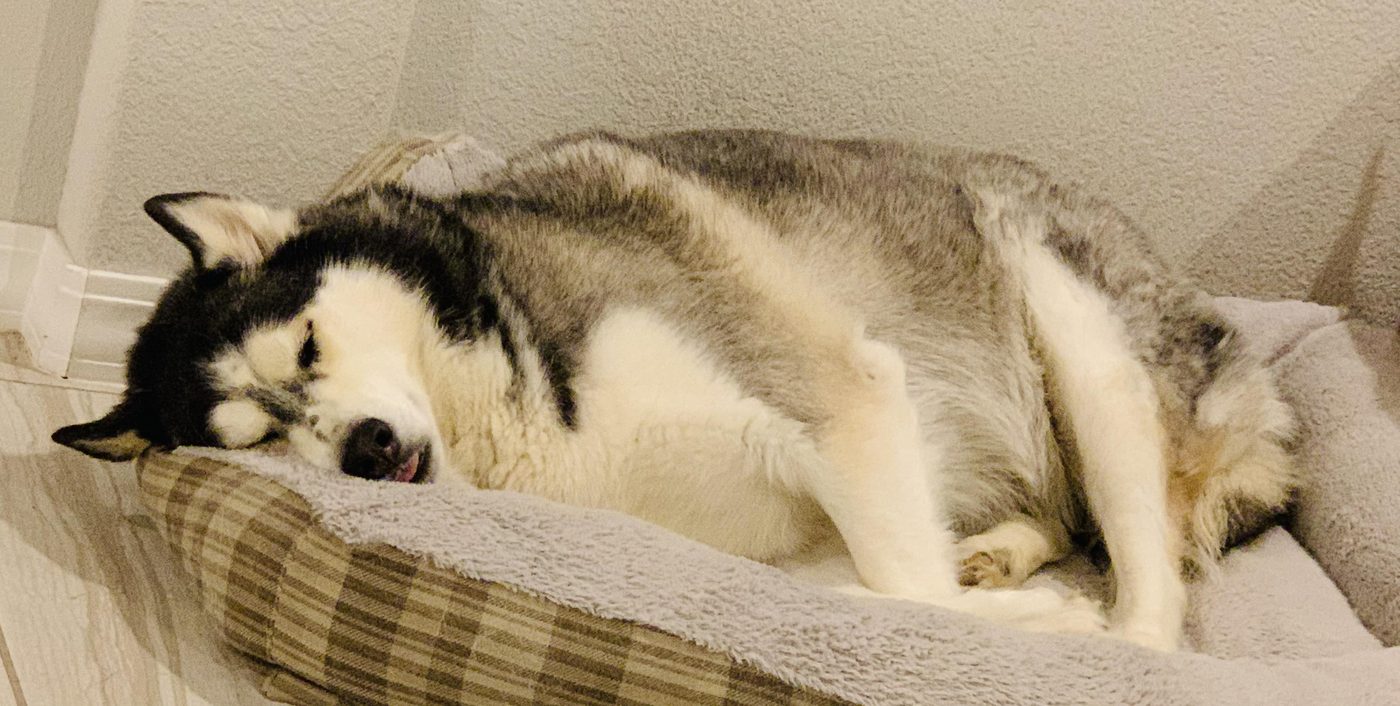
The Statistics: How Long Do Huskies Actually Live?
The most commonly cited lifespan range for Siberian Huskies is 12 to 14 years, per the American Kennel Club. Some sources extend this to 12–15 years, while the most comprehensive recent peer-reviewed study — a 2024 analysis of 584,734 British dogs across 155 breeds, published in Scientific Reports — found an observed life expectancy of 11.9 years for Siberian Huskies in the UK population. That figure sits just below the UK average for purebreeds (12.7 years) and crossbreeds (12.0 years).
It's worth noting that population-level data like the UK study captures dogs across all care levels — from exceptional to neglected. Individual Huskies in stable, attentive homes frequently reach 13–15 years, and outliers of 16+ years are occasionally reported, though rare.
Compared to other medium-to-large breeds, Huskies fare quite well. Labradors and Golden Retrievers typically reach 10–12 years; German Shepherds average around 10–11. The Husky's working-dog heritage — shaped by thousands of years of natural selection for endurance in extreme environments — has left the breed with a sturdy baseline constitution.
The 2024 UK life expectancy study (McMillan et al., Scientific Reports) analyzed veterinary records from 584,734 dogs across 155 breeds, representing one of the largest canine longevity datasets ever assembled. Read it at: nature.com/articles/s41598-022-10341-6
Age-at-Death Distribution & Geographic Context
While a single average number is useful, it masks a wide distribution. Some Huskies succumb to illness or accidents in middle age; others reach 15 and beyond in excellent health. Based on breed survey data and insurance actuarial studies, here is an approximate picture of how the population distributes across lifespan milestones:
| Age Milestone | Est. % of Huskies Still Living | Context |
|---|---|---|
| 8 years | ~90–95% | Most dogs are entering early senior classification |
| 10 years | ~80–88% | Senior years well underway; health monitoring critical |
| 12 years | ~55–70% | Many reach this; well-cared-for dogs often thrive here |
| 14 years | ~25–40% | Relatively common with good care |
| 15+ years | ~10–20% | Exceptional but achievable; genetics and care both matter |
Note: These estimates are approximate, synthesized from multiple breed health surveys, insurance studies (including Agria Sweden's data covering ~40% of the national Swedish dog population), and population-level veterinary records. No single source publishes a complete distribution curve for Huskies specifically.
Does Geography Matter?
The short answer: yes, but primarily as a proxy for other factors. The 2024 UK population study found Huskies living to 11.9 years on average, while some US breed club surveys suggest averages closer to 12.5–13.5. Scandinavian insurance data (Agria Sweden) generally reflects similarly healthy outcomes, with many dogs reaching 13+ years. The differences likely reflect variations in veterinary access, average diet quality, spay/neuter rates, and the types of dogs captured in each dataset — rather than climate or geography per se. What is clear is that climate does matter directly: prolonged exposure to extreme heat significantly stresses the breed, and owners in warmer climates need to take active steps to prevent overheating.
Males vs. Females
The existing evidence suggests minimal difference in lifespan between male and female Huskies when both are raised under comparable conditions. The Royal Veterinary College's VetCompass data across all UK dogs found female dogs live approximately 4 months longer on average than males — a small but consistent pattern. Individual health, genetics, and quality of care have a far greater influence than sex alone.
What Huskies Actually Die From
Understanding what ends a Husky's life is just as important as knowing how long they tend to live. Causes of death break down into several broad categories:
Cancer — The Leading Cause
Cancer is the number one cause of death in senior Huskies. A study conducted by the British Small Animal Veterinary Association found that approximately 31% of all Siberian Husky deaths in its dataset were attributable to cancer. This high figure reflects the breed's relatively long lifespan rather than an unusual cancer susceptibility — the longer a dog lives, the more time cellular mutations have to accumulate. Huskies are not known to have the dramatically elevated cancer rates seen in breeds like Boxers (where cancer accounts for ~47% of deaths) or Golden Retrievers (~57% in some studies).
The most commonly documented cancer types in Huskies include:
- Hemangiosarcoma — an aggressive cancer of the blood vessel lining, often affecting the spleen or heart; frequently presents with sudden internal bleeding
- Lymphoma — cancer of the lymphatic system; more amenable to treatment than hemangiosarcoma
- Mast cell tumors — skin and organ tumors; variable aggressiveness
- Basal cell tumors, sebaceous gland tumors, and anal gland tumors — specifically called out in breed-specific cancer profiles
Musculoskeletal Disease
Joint conditions — particularly arthritis secondary to hip dysplasia or ligament injury — are a significant source of quality-of-life deterioration and euthanasia decisions in older Huskies. A 20-year retrospective study of 74,556 canine deaths at US veterinary schools (Fleming et al., Journal of Veterinary Internal Medicine, 2011) found that larger breeds, like Huskies, are more likely than small breeds to die of musculoskeletal and gastrointestinal diseases. Arthritis doesn't directly kill most dogs, but severe mobility loss frequently triggers quality-of-life discussions and ultimately euthanasia.
Neurological Conditions
Idiopathic epilepsy affects an estimated 0.75% of all dogs and has a genetic component in Huskies. Degenerative myelopathy — a progressive spinal cord disease — also appears with notable frequency in this breed. Both conditions can significantly reduce quality of life in advanced stages.
Organ Failure (Kidney, Liver, Heart)
Age-related organ decline is a natural component of canine aging. Renal (kidney) disease is common in geriatric dogs of all breeds. Hypothyroidism, which affects Huskies at a meaningful rate, places added metabolic stress on organ systems when unmanaged. Long-term NSAID use (e.g., carprofen for arthritis pain) carries hepatic and renal risks — making regular bloodwork essential in medicated senior dogs.
Trauma and Accidents
Huskies have a strong prey drive and a legendary tendency to escape enclosures. Vehicle strikes are an unfortunately common cause of premature death. Unlike disease-related mortality, trauma-related deaths are almost entirely preventable with proper containment, leash discipline, and environmental management.
Euthanasia for Quality of Life
A substantial portion of canine deaths — across all breeds — are owner-elected euthanasia when quality of life has declined sufficiently. In Huskies, the most common triggers are advanced arthritis, cancer progression, and neurological decline. This isn't a "cause of death" in a pathological sense, but it shapes how death statistics look in veterinary databases.
| Cause of Death | Estimated Proportion | Notes |
|---|---|---|
| Cancer | ~31% | BSAVA study; leading cause in senior dogs of all long-lived breeds |
| Musculoskeletal / Mobility Failure | ~15–20% | Often arthritis leading to QoL euthanasia |
| Organ Failure (kidney, liver, heart) | ~12–18% | Age-related deterioration, exacerbated by unmanaged conditions |
| Neurological Disease | ~8–12% | Epilepsy, degenerative myelopathy |
| Trauma / Accidents | ~5–8% | Vehicle strikes predominate; largely preventable |
| Other / Unknown | ~10–15% | Infection, respiratory, endocrine, unrecorded causes |
Key Longevity Factors: A High-Level Overview
Research consistently identifies seven major levers that influence how long a Husky lives and how well they feel in their final years. In rough order of impact:
- Nutrition and weight management — arguably the single most controllable factor
- Genetics and breeding quality — the foundation everything else is built on
- Spay/neuter timing — increasingly shown to be breed-specific and nuanced
- Exercise and joint health management — especially critical for a working breed
- Eye condition monitoring — Huskies are uniquely predisposed
- Zinc and breed-specific nutritional needs — a less-discussed but important factor
- Preventive veterinary care — early detection changes outcomes dramatically
Let's go deep on each one.
Factor 1 — Nutrition & Weight Management
The Lean Dog Lives Longer — and the Data Is Overwhelming
The most scientifically rigorous longevity data in companion animal medicine comes from Purina's landmark 14-year study of 48 Labrador Retrievers (Kealy et al., Journal of the American Veterinary Medical Association, 2002). Researchers divided litter-matched dogs into two groups: one fed normally, one fed 25% fewer calories throughout their entire lives. The results were stark:
- Lean-fed dogs lived a median of 13 years vs. 11.2 years for the control group — a 1.8-year (16%) extension in median lifespan
- By age 10, only 3 lean-fed dogs had died, versus 7 in the control group
- At year 12, 11 lean-fed dogs remained alive; only 1 control dog survived
- Lean-fed dogs developed osteoarthritis 1.5–3 years later than their overfed counterparts
- At 8 years old, only 10% of lean-fed dogs showed OA in two or more joint types, versus 77% of control dogs
A subsequent analysis linked the metabolic benefits partly to changes in gut microbiota — lean-fed dogs showed different microbial activity profiles that correlated with improved insulin sensitivity and reduced chronic disease risk (Richards et al., Journal of Proteome Research, 2013).
While this study used Labradors, the underlying biology — insulin resistance, inflammatory cascade, joint loading — applies directly to Huskies. A 2019 analysis of over 50,000 neutered dogs across 12 breeds in the Journal of Veterinary Internal Medicine confirmed the lean-longevity link holds across diverse breeds and sizes.
Keeping your Husky lean — ribs easily palpable but not visible, visible waist tuck from above — may be the single highest-impact action you can take. Ask your vet to body-condition score your dog at every visit. Resist overfeeding; a Husky that looks slightly lean to an inexperienced eye is often at an ideal condition score. Note: 25% caloric restriction without careful nutrition planning risks deficiencies — don't restrict calories without veterinary guidance. The goal is lean body condition, not underfed.
Diet Composition
Huskies were bred to run efficiently on lean protein with minimal fat. High-quality, animal-protein-based diets — whether premium commercial kibble, fresh food, or appropriately supplemented home-cooked meals — outperform grain-heavy, filler-dense alternatives. Key nutritional considerations for Husky longevity include adequate omega-3 fatty acids (DHA/EPA) for joint and brain health, high bioavailable protein to maintain muscle mass in senior dogs, and careful attention to zinc (discussed separately below).
- Track your Husky's weight monthly and adjust portions based on body condition, not the bag's feeding guide
- Choose a food with a named animal protein as the first ingredient; avoid formulas where fillers dominate
- Discuss senior-specific formula transitions with your vet around age 8–9
- Limit treats to <10% of daily caloric intake; many owners significantly underestimate treat calories
Factor 2 — Genetics & Responsible Breeding
Your Husky's Longevity Begins Before Birth
Genetics set the ceiling on what's possible. A dog from a line of health-tested parents with documented longevity enters life with meaningfully better odds than one from a puppy mill or irresponsible breeder. A 2023 study in the National Library of Medicine examining the relationship between inbreeding coefficients and lifespan across hundreds of thousands of dogs confirmed that inbred dogs live measurably shorter lives — and that the effect is non-trivial, not just statistical noise.
For Huskies specifically, the heritable conditions most likely to affect lifespan include:
- Hip dysplasia — malformed hip joints leading to lifelong arthritis
- Progressive Retinal Atrophy (PRA) — sex-linked in Huskies (more common in males); leads to blindness
- Hereditary cataracts — can appear as early as 6–18 months; DNA tests available
- Idiopathic epilepsy — believed to have a genetic component in the breed
- Degenerative myelopathy — progressive spinal cord disease with known genetic markers
Reputable Husky breeders should provide OFA (Orthopedic Foundation for Animals) hip evaluations, CERF or SHOR eye test certificates (Siberian Husky Ophthalmic Registry), and ideally DNA panels testing for PRA and hereditary cataracts. If you're acquiring a Husky, request this documentation. If you already have your dog, consumer DNA panels (like Embark) can flag whether they carry genetic risk variants — useful for early monitoring and vet discussions.
- When choosing a breeder, ask specifically for OFA hip scores and SHOR eye certification on both parents
- Request documentation of how long the breeder's previous dogs have lived
- Consider a DNA health panel (Embark, Wisdom Panel) to understand your dog's inherited risk profile
- Share genetic test results with your vet to create a proactive monitoring plan
Factor 3 — Spay/Neuter Timing
The Science Is Evolving — and Huskies Have a Specific Finding
For years, the standard recommendation was to spay or neuter dogs before 6 months of age. A growing body of research from UC Davis School of Veterinary Medicine, led by Professors Lynette and Benjamin Hart, has complicated that picture significantly — showing that for many breeds, early gonadectomy raises the risk of certain joint disorders and cancers by removing sex hormones that regulate bone growth plate closure and immune function.
In 2024, a Frontiers in Veterinary Science study (Hart et al.) extended this research specifically to Siberian Huskies among other breeds, analyzing over two decades of veterinary records at the UC Davis hospital. The Husky-specific finding was notable:
"Siberian Huskies showed no significant effects on joint disorders or cancers [with early neutering], but female breeds showed a non-significant but elevated CCL risk."
— Hart et al., Frontiers in Veterinary Science, 2024In practical terms, this means Huskies appear to be more resilient than many other large breeds to the joint and cancer risks of early spay/neuter. However, the researchers still recommend caution: male Huskies should not be neutered before 6 months; females should ideally wait until at least 12 months to reduce the non-significant but elevated CCL trend.
The broader context matters too: studies from Seoul, South Korea (2025) and other international databases consistently show that neutered/spayed dogs live longer on average than intact dogs — partly because they're protected from reproductive cancers (testicular cancer is eliminated by castration; pyometra, a life-threatening uterine infection, is eliminated by spaying) and partly because they're less likely to roam and encounter accidents.
The evidence for Huskies suggests spaying/neutering is generally still beneficial for longevity — but timing matters. Don't rush it. Discuss the optimal age with your vet based on your specific dog's size, lifestyle, and risk profile. The current UC Davis-informed guidance: wait until at least 6 months for males, 12 months for females. This is an active and evolving area of research — keep the conversation open with your veterinarian.
- Discuss spay/neuter timing with your vet proactively — don't default to a 6-month timeline without that conversation
- If your Husky is intact, be vigilant about responsible containment to prevent roaming and accidents
- Monitor intact females closely for pyometra signs (lethargy, discharge, distended abdomen)
Factor 4 — Exercise & Joint Health Management
Built to Run — But Aging Changes the Equation
Siberian Huskies were developed to travel hundreds of miles across frozen terrain, and their musculoskeletal system reflects that. Regular exercise is not optional for this breed — it maintains cardiovascular health, prevents obesity (which directly worsens arthritis and accelerates joint destruction), supports cognitive function, and provides essential mental stimulation that prevents destructive behavior.
The Purina Life Span Study referenced above gave us one of the most striking exercise-adjacent data points in canine medicine: dogs kept lean — which requires both caloric restriction and appropriate activity — showed arthritis onset delayed by 1.5–3 years. At age 8, only 10% of lean-managed dogs showed OA in multiple joints, versus 77% of overfed dogs. This is a staggering quality-of-life difference.
Hip dysplasia, which is moderately common in Huskies, is directly worsened by excess body weight and sedentary lifestyle. Conversely, consistent, low-impact, weight-bearing exercise from puppyhood helps develop the musculature that protects joints throughout life.
Senior Exercise Considerations
As Huskies enter their senior years (roughly 8–10+), the type and intensity of exercise matters more than the total amount. High-impact activities — jumping, abrupt directional changes, running on pavement — increasingly stress arthritic joints. Shorter, more frequent walks on soft surfaces, swimming (highly joint-friendly), and leash walking on trails become the exercise modalities of choice. The goal is to keep joints moving and muscles strong without causing inflammation or pain.
- Aim for at least 40–60 minutes of daily movement, split into two sessions for senior dogs
- Swap high-impact play for swimming or gentle trail walking as your Husky ages
- Consider joint supplements (glucosamine, chondroitin, omega-3s) — discuss with your vet when to start; many recommend beginning at 7–8 years proactively
- Install ramps for couches and vehicles to eliminate repetitive jumping impact on hips
- Watch for lameness, reluctance to rise, or stiffness after rest — early arthritis signs that warrant vet attention
Factor 5 — Eye Conditions
The Breed's Most Distinctive Vulnerability
No organ system defines Siberian Huskies more visually than their eyes — and no system is more hereditarily burdened. Eye conditions don't typically kill Huskies, but untreated or undetected they significantly compromise quality of life and in some cases interact with systemic disease (diabetes-associated cataracts, for instance, signal blood sugar dysregulation that affects overall health).
The major hereditary eye conditions in Huskies:
- Hereditary cataracts — Can appear as early as 6–18 months (juvenile cataracts), significantly earlier than the age-related cataracts seen in most breeds. Thought to be inherited; DNA tests exist. Surgical treatment is effective if caught before significant secondary damage.
- Progressive Retinal Atrophy (PRA) — A degenerative retinal disease that research suggests is sex-linked in Huskies, making males more commonly affected. Begins as night blindness and progresses to full blindness. No treatment exists, but DNA testing can identify carriers and help guide breeding decisions.
- Corneal dystrophy — Presents as white opacity in the cornea; generally not painful and often doesn't significantly impair vision, but requires monitoring for ulceration.
- Canine glaucoma — Painful elevated eye pressure that can rapidly lead to blindness if untreated. An emergency when it occurs acutely.
- Schedule annual eye exams with a board-certified veterinary ophthalmologist, not just a general vet assessment
- If acquiring a Husky puppy, ask for SHOR (Siberian Husky Ophthalmic Registry) or CERF certification on both parents
- Notice cloudiness, squinting, redness, behavioral signs of vision loss (bumping into objects, reluctance in low light), or excessive tearing — report any to your vet promptly
- Consider DNA testing for PRA carrier status
Factor 6 — Zinc & Breed-Specific Nutritional Needs
A Husky-Specific Issue Most Owners Don't Know About
Zinc-responsive dermatosis is a condition almost unique to arctic breeds — particularly Siberian Huskies and Alaskan Malamutes. Unlike most dogs, Huskies can develop zinc deficiency even when consuming a diet that technically contains adequate zinc, because they appear to have a hereditary impairment in intestinal zinc absorption. This isn't a fringe condition: it's been documented in peer-reviewed veterinary literature and is considered a breed-specific metabolic trait.
A retrospective study found that 88% of affected dogs experienced complete resolution of clinical signs within weeks to months of zinc supplementation. The condition tends to be lifelong — most affected dogs require ongoing supplementation, though dietary optimization can reduce severity.
Why does this matter for longevity? Zinc is critical for:
- Immune system regulation and pathogen defense
- Wound healing and skin barrier integrity
- Hormonal function and reproductive health
- More than 70 metalloenzymes involved in metabolism
- Gut microbiome health (which in turn affects immune function and chronic disease risk)
A Husky chronically deficient in zinc is running with a dampened immune system, compromised skin barrier (more prone to infection), and impaired metabolic function. This doesn't appear on standard bloodwork and is easy to miss. Clinical signs — crusty, scaly lesions around the eyes, mouth, and footpads; dull coat; lethargy — are often misattributed to allergies or other conditions.
The foundational review on canine zinc-responsive dermatosis (White et al., Journal of the American Animal Hospital Association, 2001 — PMID 10563006) establishes that this is a familial condition in Alaskan breeds with impaired intestinal absorption as the primary mechanism. Diagnosis requires skin biopsy; treatment is lifelong oral zinc supplementation, typically zinc methionine (~2 mg/kg/day) or zinc sulfate.
- If your Husky has recurring skin issues around the face, eyes, or feet — especially if they haven't resolved with standard treatments — ask your vet specifically about zinc-responsive dermatosis
- Grain-heavy foods may worsen zinc absorption (phytates in grains bind zinc in the gut); lower-grain or grain-free formulas may help affected dogs
- Fish, lamb, and poultry tend to provide more bioavailable zinc than plant proteins
- If supplementing, zinc methionine is generally considered the most bioavailable form; always use vet-guided dosing as zinc excess is also toxic
Factor 7 — Preventive Veterinary Care
Early Detection Is the Most Powerful Intervention Available
This sounds obvious, but the data underline just how much it matters. Cancer accounts for roughly 31% of Husky deaths — and early detection meaningfully changes outcomes. Hemangiosarcoma caught before rupture can be surgically managed with improved survival versus emergency presentation. Lymphoma detected early in staging has better treatment response rates. Hip dysplasia caught at 12–18 months via radiographs allows surgical correction; the same condition left until age 8 means managing chronic severe arthritis.
For senior Huskies (age 8+), the standard annual exam is increasingly insufficient. Most veterinary internists now recommend biannual exams for senior dogs — because diseases progress more rapidly and a 12-month gap allows significant deterioration. Each biannual visit should include:
- Complete blood count and comprehensive metabolic panel (kidney function, liver enzymes, thyroid)
- Urinalysis — early kidney disease shows up in urine before blood values change
- Blood pressure measurement — hypertension is common in senior dogs and rarely symptomatic
- Full physical exam including lymph node palpation and abdominal organ assessment
- Annual dental exam and professional cleaning as needed — periodontal disease is linked to systemic cardiovascular and renal disease in dogs, just as in humans
The Dental Connection
Dental disease is among the most undertreated conditions in dogs. By age 3, over 80% of dogs show signs of periodontal disease. In senior dogs, the chronic low-grade bacteremia (bacteria entering the bloodstream from infected gum tissue) is now linked to accelerated kidney disease and cardiovascular damage. Professional dental cleanings — with pre-anesthetic bloodwork to confirm organ function — are genuinely longevity-relevant, not just cosmetic.
- Transition to biannual vet visits by age 8, or earlier if your dog has known health conditions
- Request comprehensive bloodwork at least once per year; biannually for dogs on long-term medications
- Don't skip dental cleanings — chronic periodontal disease has systemic consequences
- Keep a written symptom journal between visits; subtle changes are easy to forget or normalize over months
- Establish a relationship with a veterinary internist or specialist for complex conditions
Closing Thoughts: The Years Are Finite, But the Quality Isn't Fixed
When Little Jay hesitated at the truck tailgate for the first time, I didn't immediately think about lifespan statistics. I thought about our next hike, and whether he could still do it. That feeling — the acute awareness that your dog's body is shifting — is what motivates most of us to start paying closer attention.
The science gives us real reasons for hope. Lean body condition can extend a dog's life by nearly two years. Early detection of the breed-specific conditions Huskies are prone to — cataracts, hip dysplasia, zinc malabsorption — dramatically changes their trajectory. Thoughtful timing of spay/neuter, breed-appropriate nutrition, and consistent but adapted exercise are all within our control.
No amount of careful management will extend your Husky's life indefinitely. Cancer will eventually be cancer. Arthritis will progress. But the difference between a 10-year-old Husky who is stiff, overweight, and in pain versus one who is lean, mobile, and bright-eyed at 14 — that difference is largely made in the decade of choices that came before. The work you put in now shows up on the other side of the clock.
"The goal is not just more years, but better years — more mornings where the tail still wags and the nose still goes to the ground."
— Bowen, Senior HuskyHere's to every silver-muzzled companion who got us into this. May their remaining trails be gentle, and their naps long and deep.
Nothing in this article constitutes veterinary medical advice. All content is for informational purposes only. Statistics cited reflect population-level averages and study samples that may not perfectly represent every individual dog. Always consult your licensed veterinarian before making changes to your dog's diet, exercise routine, medications, or supplementation. Individual dogs vary significantly — what applies to one Husky may not apply to yours.
Where specific research papers are cited and linked, readers are encouraged to review those original sources directly. Study designs, populations, and methods vary; no single study provides definitive answers.