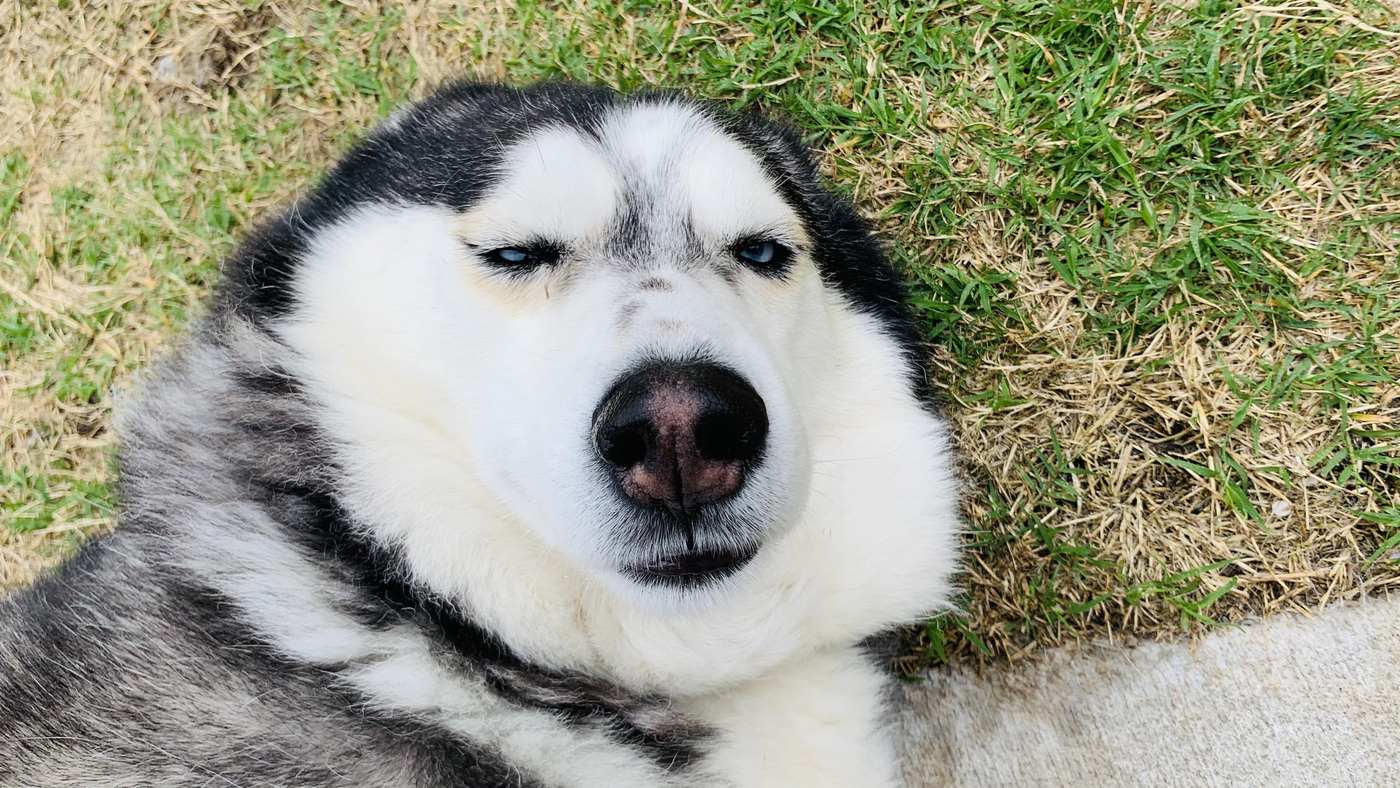
The open road of a state park trail used to be our sanctuary. My Siberian Husky — Little Jay — would hear the jingle of my keys and bolt to the door, tail whipping like a propeller. He'd launch himself into the backseat of my truck, claiming the entire space as his throne, paws dangling over the edge, eyes bright with anticipation. Those weekend escapes were our ritual: miles of forest paths, his nose to the ground, pulling me along with that endless Husky energy. He was tireless, always ready for more.
Then came 2024. Something shifted. The first time I loaded up for a trip, Little Jay hesitated at the tailgate. No leap, no eager scramble. He stood there, looking up at me with those pale blue eyes, as if weighing whether the effort was worth it. I coaxed him with treats, gentle words, even a little lift. He went along, but the spark was dimmer. That moment hit me harder than any vet visit ever could. My boy was entering his senior years.
As someone who's shared life with Huskies for years, and now watches one navigate old age, I've learned that recognizing the transition isn't about a single birthday — it's about the quiet accumulation of changes. Siberian Huskies are a hardy breed, built for endurance in harsh conditions, and they often carry their vitality well into later years. But when the signs appear, they deserve our attention, patience, and proactive care. Here's what I've observed with Little Jay.
Physical Signs of Aging
The physical markers of aging in Huskies tend to creep in gradually, often starting subtly around 7–10 years old, though some show them earlier and others later. Here's what stands out most with Little Jay:
- Slowdown in energy levels — This was one of the first noticeable shifts. Little Jay used to beg for play sessions that stretched two hours or more. Now, he might engage for 10–15 minutes before retreating to his bed. He needs far more sleep — deep, restorative naps that can last hours. After a day at daycare (which he still loves occasionally), he used to bounce back after a quick rest; now, it takes him a full day or two to recharge fully. This reduced stamina typically begins emerging around 7–9 years, accelerating by 10.
- Graying around the face — Little Jay's dark facial patches faded seemingly overnight in his later years, turning silvery-white. This classic "gray muzzle" sign usually appears between 8–11 years.
- Yellowing of the whites of the eyes — The sclera can take on a yellowish tint. It's unmistakable when you notice it close-up and commonly starts around 9–12 years.
- Weight gain — Little Jay started gaining around 7–8 years old, climbing toward 95 lbs before I intervened with structured walks. Many seniors gain weight between 7–10 years if activity drops without adjusting calories.
- Joint pain and arthritis — The biggest concern. Little Jay developed severe arthritis flare-ups in 2024, struggling to rise or move without pain. Symptoms like stiffness often worsen around 8–11 years.
- Duller coat and drier skin — His coat lost some shine and felt drier, especially after baths — noticeable in later years.
- Hearing and vision changes — He responds less quickly to sounds and may hesitate in low light or bump objects.
- Cognitive shifts — Mild confusion or slower processing can emerge.
Age Range for Senior Status
Siberian Huskies are generally considered seniors between 8 and 10 years old. As a medium-sized breed, they don't follow the faster aging curve of giant breeds. Huskies tend to stay spry longer.
There's a misconception that larger dogs have shorter lifespans — Huskies often outpace many similar-sized breeds. The average lifespan is 12–15 years, with many reaching 14+ with good care.
While exact survival percentages vary, here's an approximate distribution based on breed reports:
| Age Reached | Approximate % Still Living |
|---|---|
| 10 years | ~80–90% |
| 12 years | ~60–75% |
| 14 years | ~30–50% |
| 15+ years | ~10–25% |
For perspective, here's a general dog-to-human age map for medium breeds like Huskies:
| Husky Age | Human Age Equivalent |
|---|---|
| 1 year | ~15 years |
| 2 years | ~24 years |
| 5 years | ~36–40 years |
| 7 years | ~44–50 years |
| 8 years | ~48–55 years |
| 10 years | ~56–66 years |
| 12 years | ~64–77 years |
| 14 years | ~72–88 years |
Behavioral and Cognitive Changes
Behaviorally, senior Huskies often mellow without losing their core personality. Little Jay's wild zoomies tapered off noticeably around age 7. Many owners report this shift starting 7–9 years.
Anxiety patterns vary. Little Jay actually became less separation-anxious — content by my side now that I work more from home. Recall improved: he follows from the dog park gate without protest. Commands stick better; he's more reliable.
Sleep increases — a lot. Deep snores fill the house. Cognition can slip: occasional confusion on familiar paths. He's more clingy yet lazier, preferring closeness over independence.
Senior Huskies' Unique Health Concerns
Huskies are stoic — they mask pain until it's severe. Little Jay hurt for months without complaint, until he couldn't rise. When the slowdown hits, dig deeper.
Joint problems (hip dysplasia, arthritis) top the list. Eye conditions (cataracts, PRA) are common. Weight gain exacerbates nearly every issue. Skin dryness and allergies persist into old age. Cysts or lumps appear more frequently — get them checked early.
What You Can Do to Help
Regular vet visits. Share every detail — even changes that seem minor. Senior dogs benefit from check-ups every 6 months, not annually.
Diet. Senior formulas or vet-guided home-cooked meals. I cooked fresh, balanced meals for Little Jay for six months during his arthritis recovery — he came off his medications entirely, which his vets didn't think was possible.
Weight management. Shorter, more frequent walks. Strict portions. Extra pounds accelerate joint deterioration faster than almost any other factor.
Home adaptations. Orthopedic beds, ramps for the truck and couch — eliminate repetitive jumping impact on aging hips.
Supplements. Probiotics helped settle Little Jay's gut issues almost completely. Natural food sources — chicken, salmon — improved his coat and energy more noticeably than pills alone did for us.
The greatest gains came from consistency: better nutrition, gentler exercise, and attentive daily tweaks. No single fix. Just persistent, careful love.
Closing Thoughts
Watching Little Jay age has been bittersweet — the zoomies fade, but our bond deepens in quiet moments. He's still my adventure buddy, just slower. And honestly? The slower pace has made me pay closer attention to him than I ever did before.
Cherish every day with your senior Husky. With love and care, many enjoy vibrant golden years well into their teens.
Here's to our silver-muzzled companions — may their trails be gentle, their naps deep, and their place by our side forever cherished.
Nothing on this page is a substitute for professional veterinary advice. Always consult your vet before making changes to your dog's diet, exercise routine, supplements, or medications. Individual results vary — what helped Little Jay may not be right for every dog.